
Complete Guide to Roof Replacement for Homeowners
Pat Melson, Owner & CEO, Midtown Home Improvements ·
Your roof is the only part of your home that works around the clock, every day of the year. It takes the full force of every hailstorm, every ice dam, every summer heat wave, and every freeze-thaw cycle — and it does it silently, until the day it can't anymore.
For most homeowners between 40 and 65, a roof replacement is one of the two or three largest home improvement investments they'll ever make. It's also one where incomplete information is genuinely costly. The wrong contractor choice, a missed insurance window, or a material decision that doesn't fit your climate can mean thousands of dollars lost.
This guide covers every decision you'll face: when to replace rather than repair, which materials actually hold up in Midwest and Southern climates, what a replacement realistically costs, how to vet a contractor, what happens on installation day, how to file an insurance claim, and what a warranty should actually say.
We've been doing this work since 1990 — over 50,000 roof installs across St. Louis, Chicago, Nashville, Atlanta, and Kansas City. What follows is what we'd tell a family member facing this decision.
Key Takeaways
- In 2025, the national average roof replacement cost reached $17,631 — about 33% higher than the 2021–2024 average, driven by material and labor inflation (Verisk, 2026 U.S. Roof Report).
- Roofs over 20 years old with widespread granule loss, recurring leaks, or curling shingles should be replaced, not repaired — the 50% rule is the clearest financial test.
- Class 4 impact-resistant architectural asphalt shingles are the best-value choice for Midwest and Southern hail markets; metal roofing is the right long-term play for homeowners staying 20+ years.
- Verify credentials before signing anything — the fraud pattern to watch for is contractors without a verifiable local license, local business address, or local review history, particularly those who appear after major weather events.
When Should You Replace Your Roof Instead of Repairing It?
The decision between repair and replacement comes down to three factors: your roof's age, the scope of the damage, and the financial math. Asphalt shingle roofs — which cover roughly 80% of U.S. homes — typically last 15 to 25 years under normal conditions (Owens Corning Roofing, 2025). In Midwest markets like St. Louis and Chicago, where hail, ice dams, and thermal cycling are routine, that window often narrows to 18–22 years.
In 35 years of installation work across five metro markets, the pattern we see most often is this: a homeowner patches the same area two or three times over five years, then calls us after a third leak — only to find the decking underneath has rotted from long-term moisture infiltration. The patch cost them $1,800. The decking replacement adds $2,500 to $4,000 to what would have been a standard tear-off. Repair-first thinking, applied to an aging roof, often ends up costing more than replacement would have.
The Five Signs That Point to Replacement
Granule loss at scale. When you see bald patches across shingle surfaces or thick granule accumulation filling your gutters after a rain, the shingles have lost their UV-protective coating. This process isn't reversible. Shingles in significant granule-loss condition are typically within two to five years of structural failure — and patching on top of them is money wasted.
Curling or cupping shingles. Shingles that curl upward at the edges (cupping) or that bend downward in the middle (clawing) have dried out and lost their flexibility. At this stage, the material can't seal against wind-driven rain. This is a system-level failure, not an isolated repair candidate.
Multiple leak locations. A single active leak after a storm is a repair. Two or more separate leaks, or a leak in the same area that's been repaired before, signals that the underlayment or decking has been compromised. Once moisture gets under the shingle layer regularly, the problem isn't the shingles — it's what's underneath.
Roof age past 20 years. If your roof is between 20 and 25 years old and requires repair, the remaining useful life doesn't justify the investment. You're spending repair money on a system that's approaching end-of-life regardless.
Sagging or soft spots. Any visible sagging along the ridge line or soft, spongy areas when you walk the roof indicate structural damage to the decking or rafters. This is always a replacement situation — and sometimes requires structural repair beyond just the roofing system.
The 50% Rule
The cleanest financial test: if your repair quote exceeds 50% of what a full replacement would cost, replacement almost always makes more financial sense. You're spending half the money for a roof that still carries the same age, the same remaining wear, and no warranty reset. A new roof resets the clock entirely.
roof replacement cost breakdown
Roofing Materials Comparison: Which One Is Right for Your Home?
Material selection is where homeowners most often get misled — either toward cheap options that won't survive a Midwest hail season, or toward premium products that don't fit their timeline or budget. Here's an honest breakdown of the three options most relevant to homeowners in our markets.
Architectural Asphalt Shingles (The Right Choice for Most Homeowners)
Architectural shingles — also called dimensional or laminate shingles — are the dominant residential roofing material for good reason. They're available in Class 4 impact-resistant grades that carry real hail performance ratings, they install in one to three days, and they're cost-effective enough that most homeowners can absorb the replacement cost without financing.
Lifespan: 25–30 years when properly installed in moderate climates; 18–25 years in hail-prone Midwest and Southern markets.
Cost: $4–$8 per square foot installed, or roughly $8,000–$18,000 for a standard 2,000-square-foot home. Higher-end premium architectural lines (Owens Corning Duration, GAF Timberline HDZ) run toward the upper end of this range but deliver meaningfully better impact resistance and wind ratings.
What to look for: Class 4 impact resistance (the highest IBHS rating for hail), a minimum 130 mph wind rating, and a 30-year or better manufacturer warranty. In our St. Louis, Chicago, Nashville, and Atlanta markets, we install Class 4-rated products as a default because the hail frequency in these regions makes the modest upcharge worthwhile — and it often qualifies homeowners for an insurance discount.
What to avoid: Three-tab shingles. They're cheaper upfront but have lower wind ratings, shorter lifespans, and no meaningful hail resistance. We haven't installed three-tab on a new roof in years.
Metal Roofing (The Long-Term Play)
Metal roofing — particularly standing-seam steel or aluminum — is the most durable residential roofing option available. It lasts 40 to 70 years, handles freeze-thaw cycles without degradation, and resists hail and high wind better than any asphalt product (NerdWallet, Metal Roof vs. Asphalt Shingles, 2026).
Lifespan: 40–70 years for standing-seam steel; 30–45 years for metal shingles.
Cost: $9–$18 per square foot installed, or $18,000–$40,000 for a typical home. That's 60–80% more than architectural asphalt upfront.
The math on metal: The cost-per-year of ownership often favors metal for homeowners planning to stay 20 or more years. An asphalt roof replaced twice over 50 years costs more in total than one metal roof that never needs replacing. Metal also carries a higher home resale premium in most markets.
The honest caveat: If you're planning to sell within 10 years, metal's upfront premium rarely returns fully at resale. Asphalt is the smarter short-to-medium term choice. If you're staying, run the math.
Wood Shake (High Maintenance, High Character)
Cedar and redwood shake shingles offer a distinctive aesthetic that some architectural styles genuinely call for. But they require more maintenance than any other roofing material — annual cleaning, biennial treatment, and periodic shingle replacement — and they're prohibited or discouraged in some fire-risk zones.
Lifespan: 20–30 years with consistent maintenance; 15–20 years with typical maintenance.
Cost: $8–$14 per square foot installed.
Climate consideration: Wood shake performs adequately in moderate climates but struggles in the freeze-thaw cycling common to Chicago and St. Louis winters. Moisture infiltration into wood fiber during repeated freezing and thawing accelerates splitting and rot. We don't recommend wood shake for homeowners in Midwest markets without a clear aesthetic reason and a firm commitment to the maintenance schedule.
How Much Does Roof Replacement Cost in 2026?
In 2025, the national average roof replacement cost reached $17,631 — about 33% higher than the 2021–2024 average — driven by continued material cost inflation and labor shortages in the construction trades (Verisk, 2026 U.S. Roof Report). That's the midpoint. The realistic range for most homeowners runs from $9,500 on the low end (smaller home, simple roofline, standard materials) to $22,000 or more for larger homes, steeper pitches, or premium materials.
Per-square-foot averages for installed asphalt shingles run $4–$11 depending on complexity and region, according to NerdWallet's 2026 cost guide and Angi.
What Drives the Price Up or Down?
Roof size and complexity. A simple gable roof on a 1,400-square-foot ranch is a fundamentally different project than a 2,800-square-foot two-story with dormers, valleys, skylights, and multiple penetrations. Complexity adds labor hours, material waste, and difficulty factors that directly affect price.
Pitch. Steeper roofs require more safety equipment, slower work, and more physical effort. Anything above a 6:12 pitch carries a steep-slope premium; above 9:12, some contractors add a significant surcharge or decline to bid.
Decking condition. The estimate you get is based on visible surface conditions. If the tear-off reveals rotted or delaminated decking, that's a change order — typically $70–$100 per sheet of OSB or plywood replaced. A reputable contractor will document decking damage with photos before replacing it and won't proceed without your authorization.
Tear-off vs. overlay. Some homeowners ask about installing new shingles over existing ones (an "overlay"). Most building codes allow a maximum of two shingle layers. Overlays save the tear-off labor cost but add weight to the structure, hide decking problems, shorten the new roof's life, and often void manufacturer warranties. We don't recommend overlays and won't install them when a roof is at end-of-life.
Location and regional labor costs. Labor markets vary significantly. The Chicago metro runs higher than Nashville; Kansas City and Atlanta tend to be near the national average. Factor roughly 15–25% regional variance into any national estimate you read online.
Midwest and South Climate Considerations: What Your Roof Is Really Up Against
Most roofing guides are written for a generic "average climate." Homeowners in St. Louis, Chicago, Nashville, Atlanta, and Kansas City aren't dealing with average climate. They're dealing with some of the harshest roofing conditions in North America.
The combination of conditions in the Midwest and Upper South — frequent hail, significant wind events, hard freeze-thaw cycling, high UV summers, and humid winters — doesn't just shorten roof life. It creates a specific failure pattern we call "stress stacking," where each climate stressor accelerates the damage caused by the others. A shingle weakened by UV degradation cracks faster in a freeze-thaw cycle. A shingle with hail dents loses its granule coating faster in summer UV. Understanding how these stressors interact helps you make better material and installation choices.
Freeze-Thaw Cycles
In Chicago, St. Louis, and Kansas City, a single winter can bring 30 to 50 freeze-thaw cycles — days where temperatures rise above freezing and then drop back below it (Arnett Roofing and Construction, The Freeze-Thaw Cycle, January 2026). Each cycle forces moisture that's infiltrated even minor cracks to expand and contract. Over time, this widens gaps in shingles, flashing, and sealant that wouldn't have been a problem in a milder climate.
Ice damming is the related issue. When heat escaping through an under-insulated attic melts snow on the upper roof and refreezes at the cold eaves, it creates a dam that forces water back under the shingles. Proper attic ventilation — a requirement we check on every Legacy Roofing System installation — is the primary defense against ice dam damage.
Hail
According to the Insurance Information Institute, approximately 41% of all homeowners insurance claims in the U.S. are related to wind and hail damage — and the Midwest sits squarely in "hail alley." Missouri alone saw over 8,500 hail-related insurance claims filed within weeks of a single February 2024 storm event. The National Roofing Contractors Association estimates that weather-related issues account for more than 70% of roof replacements in the Midwest.
Class 4 impact-resistant shingles — the highest IBHS rating available — are the single most effective material upgrade for hail-prone markets. They won't prevent all hail damage, but they resist denting and cracking from stones up to 2 inches in diameter far better than standard architectural products. In many markets, they also qualify homeowners for a 10–30% discount on the wind and hail portion of their homeowners insurance premium.
Wind
Straight-line winds and tornado-adjacent storms are routine across every market we serve. The relevant specification is the shingle's wind rating: standard architectural shingles are rated to 110 mph; premium products with enhanced seals are rated to 130 mph or higher. In Nashville and Atlanta, where severe thunderstorm wind events are common in spring and fall, we recommend the 130 mph rated product line as a standard specification.
UV and Heat
Southern markets — Atlanta in particular — add a UV stress load that accelerates shingle granule breakdown. Dark-colored shingles in direct afternoon sun can reach surface temperatures of 150–165°F in summer. That thermal cycling (cool mornings, extreme afternoon heat) fatigues the asphalt over time. Reflective or lighter-colored shingles, or shingles with algae-resistant copper granules, perform better in these conditions and keep attic temperatures lower.
How to Choose a Roofing Contractor: The Checklist and the Red Flags
The roofing industry has one of the highest rates of consumer fraud of any home improvement trade. Storm events in particular attract "storm chaser" operations — companies that move into markets after major hail or wind events, sign contracts quickly, and either disappear before completing the work or complete it with inferior materials and no local support structure when problems emerge later.
Here's what we'd check before signing anything.
The Non-Negotiables
State licensing and verification. Every state has its own licensing requirements. Get the contractor's license number and verify it directly with your state licensing board — don't take their word for it. In Missouri, Illinois, Tennessee, and Georgia, you can look up contractor license status online in minutes.
General liability and workers' compensation insurance. Ask for a certificate of insurance directly from their carrier — not a document the contractor prepared. The certificate should show active coverage with expiration dates. Workers' comp protects you if a crew member is injured on your property; without it, you may be liable.
A local physical address. After a storm, out-of-state contractors flood the market. A company without a local address and verifiable local history has no accountability after they leave. Ask how long they've been operating in your market and verify their BBB or Google presence independently.
Written, itemized estimates. A reputable contractor's estimate should break down labor, materials (by product name and grade), tear-off, permitting, and cleanup separately. A lump-sum estimate you can't evaluate line by line is a red flag — you don't know what you're paying for and can't verify what was delivered.
A workmanship warranty in writing. Material warranties come from the manufacturer. The workmanship warranty is the contractor's promise that the installation was done correctly. If a contractor can't or won't give you a written workmanship warranty, find another one.
The Red Flags
Requesting a large upfront deposit. A reasonable deposit — typically 10–20% — for materials procurement is standard. Any contractor requesting more than 30–33% before work begins is a significant warning sign.
Contractors whose license you can't verify. Before any roofing work begins, confirm the contractor holds an active license in your state. Illinois, Missouri, Tennessee, and Georgia each maintain public lookup databases. A contractor who can't provide a license number or whose number doesn't return an active result is the scenario to walk away from — regardless of how the conversation started.
Offering to "cover your deductible." This is insurance fraud. In Missouri, Illinois, Tennessee, and Georgia, it's also illegal. A contractor who offers this is telling you they're willing to commit fraud on your behalf — which tells you something important about how they'll operate when problems arise.
Vague or verbal agreements. Never authorize work that isn't in a signed written contract. Verbal agreements aren't enforceable in a meaningful way.
No online presence or very few reviews. A company that's been operating legitimately in a market for years will have a verifiable review history. Fewer than 20 reviews for a company claiming years of experience is a signal worth questioning.
What to Expect During Roof Replacement: A Day-by-Day Walkthrough
Most homeowners have never watched a roof get replaced. Knowing what's supposed to happen — and in what order — lets you verify that the work is being done correctly.
Before Installation Day
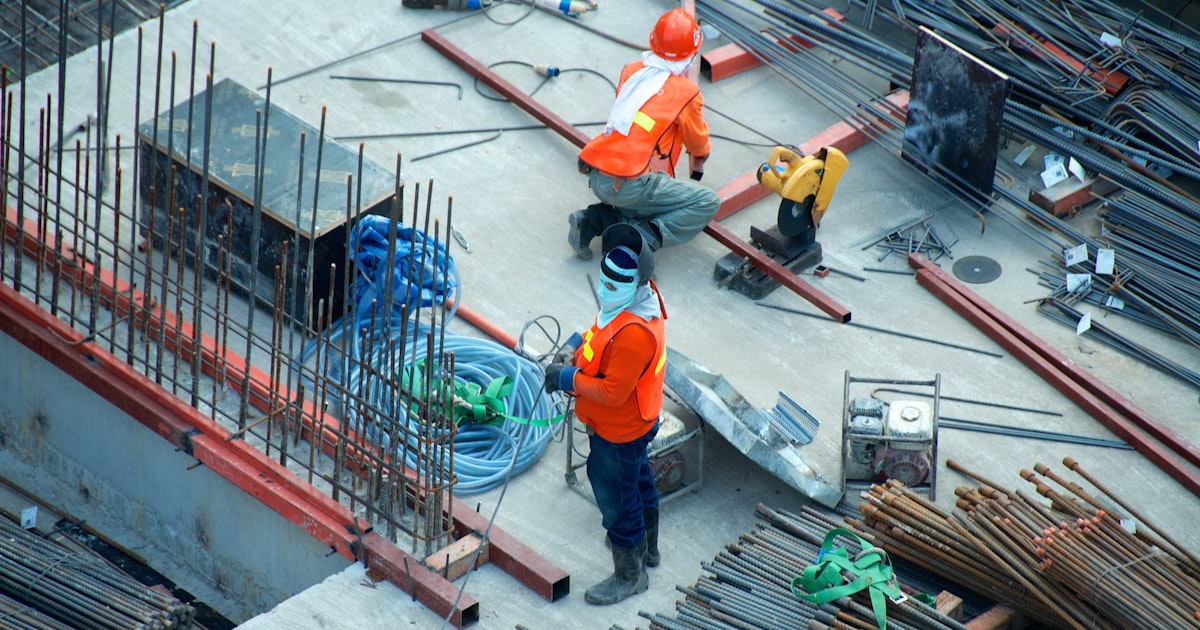
Your contractor should have pulled the permit and ordered materials before scheduling your install date. Materials typically arrive the day before installation — a flatbed delivery of shingles, underlayment, ice-and-water shield, ridge caps, and any accessories. If your contractor shows up on installation day without having pulled a permit, stop the work until it's in hand.
Installation Day 1: Tear-Off and Decking
Work starts early — typically 7:00 to 7:30 AM. The crew will set up tarps to protect landscaping and siding, then begin tear-off. For most residential roofs, tear-off takes four to six hours. Once the decking is exposed, your contractor or their foreman should walk the deck with you and identify any damaged sections before proceeding.
This is the moment that changes estimates. If decking replacement is needed, document it on camera, confirm the cost per sheet, and sign a written change order before the work continues. Any contractor who replaces decking without showing you the damage first and getting written authorization is not operating transparently.
Installation Day 1 Afternoon / Day 2: New System Installation
The proper installation sequence follows a system:
- Ice-and-water shield applied to eaves, valleys, and all penetrations — this is the moisture barrier that prevents ice dam damage
- Underlayment (synthetic or felt) across the field of the roof
- Drip edge along eaves and rakes
- Flashing at all valleys, chimneys, skylights, and pipe penetrations — this is where most leak-back problems originate when it's done wrong
- Starter strip along eaves
- Field shingles installed with correct nailing pattern per manufacturer specification
- Ridge vent installation (critical for attic ventilation)
- Ridge cap shingles across the peak
The most common installation error we see when re-roofing over a previous contractor's work is improperly installed or missing flashing. A roofer who installs flashing correctly adds 30–45 minutes to the job. A roofer who shortcuts it creates a future leak point that typically shows up 18–36 months after installation — after the company's 1-year "warranty" has expired. Insist on watching the flashing go in, or at minimum, seeing photos of the flashing before shingles cover it.
Final Day: Inspection and Cleanup
Before the crew leaves, a foreman should walk the roof and inspect all flashing, ridge cap nailing, and visible penetrations. A quality contractor will use a magnet roller to collect nails from the yard, gutters, and driveway. You should be able to do a final walkthrough with the crew lead and ask questions about any section of the work.
You'll also need a final building inspection from the municipality before the permit closes. Your contractor should coordinate this and provide you with the signed permit closeout.
Do You Need a Permit for a Roof Replacement?
In most jurisdictions across Missouri, Illinois, Tennessee, and Georgia — yes, a full roof replacement requires a building permit (Origin Exteriors, What Permits Are Required for Roof Replacement, 2025). The permit triggers a building department inspection, typically after tear-off and after final installation, that verifies the work meets local code.
Why this matters for you:
Insurance claims. If you file a claim for roof damage and the insurer discovers the previous roof was installed without a permit, they may deny or reduce the claim.
Home sale. Unpermitted work discovered during a home inspection is a disclosure obligation and can derail a sale or reduce your negotiating position.
Contractor accountability. Pulling a permit means the contractor's name and license number are on record with the municipality. Companies operating without permits have no accountability structure.
Permit costs typically run $150–$500 in most Midwest and Southern municipalities. A reputable contractor will include permitting in their estimate — if it's missing from the line items, ask where it is.
Repairs covering less than 100 square feet of surface area generally don't require permits in most jurisdictions, but the threshold varies. When in doubt, ask your contractor to confirm with the local building department before work begins.
What a Contractor's Written Damage Assessment Should Contain
After a hail or wind event, the first step is documentation — photograph your roofline, gutters, siding, downspouts, and any visible soft metal (vents, caps) within 48–72 hours. Date-stamp everything and store the photos for your records.
A licensed roofing contractor will then provide a written damage assessment. That document is the foundation of any repair or replacement decision — it establishes what was damaged, the probable cause, and what corrective scope is required.
A complete written damage assessment should specify:
- Which roof planes, sections, or surfaces were affected
- Type and extent of damage (granule loss, bruising, cracked shingles, compromised flashing, damaged gutters)
- Probable cause (storm event date, hail size if measurable)
- Repair vs. replacement recommendation with rationale
- Material specification for the recommended scope of work
- Contractor's license number and insurance information
Verify credentials before any contractor accesses your roof:
Before allowing any contractor onto your roof after a weather event — regardless of how they reached you — ask for three things: their state license number, a certificate of insurance (general liability and workers' compensation), and a physical local business address. Verify the license on your state's licensing board website. A licensed, insured local contractor will produce all three without hesitation.
What a Good Roofing Warranty Actually Covers
Warranties are where roofing company marketing is least reliable. "Lifetime warranty" sounds significant. It often isn't. Here's how to read what you're actually getting.
Manufacturer's Material Warranty
This is the warranty that covers the shingles, underlayment, and accessories against manufacturing defects. It does not cover installation errors, wind damage, or most weather-related failures.
Standard architectural shingles: 25–30 year limited warranty. Read the exclusions — many warranty terms prorate the coverage steeply after year 10.
Premium architectural shingles (Owens Corning Duration, GAF Timberline HDZ, CertainTeed Landmark Pro): 30-year to "lifetime" limited warranties. "Lifetime" generally means the useful life of the home, subject to transfer restrictions on resale.
Metal roofing: 30–50 year paint/finish warranties; many structural warranties extend to 40+ years.
The Midtown Legacy Roofing System uses premium manufacturer-warranted products across our shingle lines. We'll tell you exactly which product line is going on your roof and what the manufacturer's warranty covers, in writing.
Contractor's Workmanship Warranty
This is the warranty the roofing company backs with its own existence and resources. It covers installation errors — improper flashing placement, incorrect nailing patterns, missed penetrations, inadequate ice-and-water shield coverage.
What good looks like: A minimum 5-year workmanship warranty from a company with verifiable local history and a physical business address. Some contractors offer 10-year workmanship warranties on premium install packages.
What to be cautious about: A 1-year workmanship warranty is the industry minimum and, in practice, is often designed to expire before installation defects show up as water infiltration. Most leak-back problems from improper flashing appear 18–36 months post-installation.
The question no one asks: "Will you still be in business to honor this warranty?" A company that's been operating in your market for 5+ years with a verified review history has demonstrated the durability to stand behind their work. A company formed 18 months ago that appeared after a storm sequence has not.
We've been asked by homeowners to fix work done by competitors who offered "lifetime workmanship warranties" but were no longer in business or findable by the time the leak appeared. A warranty is only as good as the company standing behind it. Longevity, local presence, and a verifiable track record matter more than the word "lifetime" on a piece of paper.
System Warranty (When Available)
Some manufacturers offer enhanced system warranties — sometimes called "certified contractor" or "platinum" warranties — when a qualified contractor installs their full product system (shingles, underlayment, ice-and-water shield, ridge vent). These extended warranties can cover installation along with materials, providing a single warranty document for both. They generally require the contractor to be manufacturer-certified and the full system to be documented on the install.
Why the Legacy Roofing System Is Different
The Midtown Legacy Roofing System isn't a brand of shingles. It's a documented installation method — every component, every step, every quality checkpoint — applied consistently across every roof we install, in every market we serve.
It means that when a crew arrives at your home in St. Louis, Chicago, Nashville, Atlanta, or Kansas City, they're following the same process that's produced 50,000+ successful installations since 1990. Every install begins with a decking inspection and documented approval. Every penetration gets proper flashing per manufacturer specification. Every job ends with a magnet sweep, a final walkthrough, and a signed inspection report.
Veteran-owned and family-operated since 1990, Midtown Home Improvements carries one of the longest verified track records in the industry in the markets we serve. We're not going anywhere — and our workmanship warranty means something because of it.
learn more about the Legacy Roofing System
Ready for an honest assessment of your roof? Our inspection process starts with a documented review of your current roof, a clear explanation of what we find, and a detailed written estimate that breaks down every line item. Fully licensed and insured across every market we serve. 35 years of experience applied to your specific situation.
Frequently Asked Questions
How do I know if I need a full roof replacement or just a repair?
Use the 50% rule: if a repair quote exceeds 50% of what a full replacement would cost, replacement almost always makes more financial sense. Age is the other deciding factor — asphalt shingle roofs older than 20 years rarely justify significant repair investment. Multiple areas of damage, recurring leaks after prior repairs, or widespread granule loss are all signs the system has failed, not just a section of it.
How much does a roof replacement cost in 2026?
Nationally, the average roof replacement cost reached $17,631 in 2025 according to Verisk's 2026 U.S. Roof Report — about 33% higher than the 2021–2024 average. Most homeowners with standard asphalt shingles on a typical home pay between $9,500 and $22,000 depending on size, pitch, region, and material choice. Midwest and Southeast markets including St. Louis, Chicago, Nashville, and Atlanta tend to track near or slightly above the national average.
What is the best roofing material for Midwest and Southern climates?
For most homeowners in hail-prone Midwest and Southern markets, Class 4 impact-resistant architectural asphalt shingles deliver the best balance of performance and cost. They withstand hail, wind, and freeze-thaw cycles better than standard three-tab products and often qualify for insurance discounts. Homeowners planning to stay 20+ years should also evaluate standing-seam metal, which lasts 40–70 years and outperforms asphalt on every durability metric — at 60–80% higher upfront cost.
Do I need a permit for a roof replacement?
In most jurisdictions — including municipalities across Missouri, Illinois, Tennessee, and Georgia — a full roof replacement requires a building permit. Permits cost $150–$1,000 depending on location and typically require a final inspection before the project is considered closed. Work without a permit can create complications with homeowner's insurance and home sale disclosures. A reputable contractor will pull the permit on your behalf and include it in their estimate.
How do I document storm damage to support a roofing contractor's assessment?
Document damage within 48–72 hours of a storm with detailed photos — gutters, siding, downspouts, and any visible roof surface. Date-stamp everything. A qualified roofing contractor will provide a written damage assessment identifying what was damaged, the cause, and what repair or replacement it requires. That written assessment is the foundation of any repair or replacement decision.
What should a roofing warranty cover?
A complete roofing warranty has two parts: a manufacturer's material warranty (typically 25–50 years on architectural shingles, often lifetime on premium lines) and a contractor workmanship warranty. The workmanship warranty is the one most homeowners overlook — it covers installation errors such as improper flashing, nail placement, or ventilation. Look for a minimum 5-year workmanship warranty from a contractor who will still be in business to honor it.
How long does a roof replacement take?
The installation itself takes one to three days for most residential roofs once the crew is on-site. The full process from first inspection to final sign-off typically spans two to six weeks when you factor in the estimate, permit application, material ordering, and scheduling. Unexpected decking damage discovered after tear-off can extend the installation by a day. Your contractor should communicate any timeline changes immediately and document them in a written change order.
Midtown Home Improvements, Inc. has been installing roofs across St. Louis, Chicago, Nashville, Atlanta, and Kansas City since 1990. 50,000+ installs. 2,863 Google reviews. Veteran-owned and family-operated.